





This is the first known case study of full facility electrification in the textile sector. Demonstrating that this is technically and financially feasible will unlock the technology’s scale potential. The project also demonstrates how mitigation and adaptation can be linked, a big step forward for the sector.
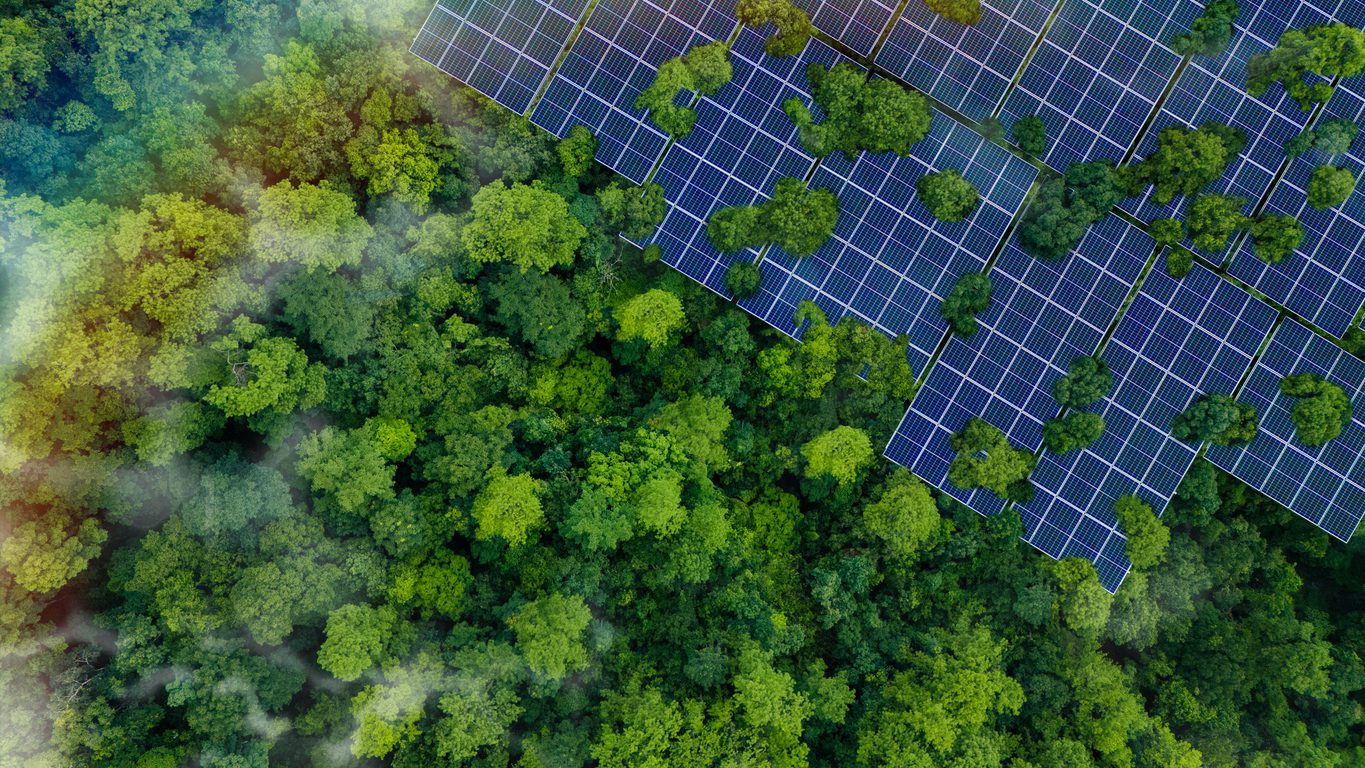
This project aims to decarbonize textile dyeing processes by replacing biomass- and fossil fuel-based steam generation with an electrified heat pump system powered by renewable energy. It represents one of the first applications of industrial heat pump technology in Vietnam and Southeast Asia’s textile sector, serving as a demonstration of how thermal processes can be electrified at scale. The project involves the installation of a heat pump system integrated with existing operations, including heat recovery from wastewater and process streams, optimization of dyeing heat demand, and the use of rooftop solar to supply approximately 25% of electricity needs. The system will fully replace biomass boiler-based steam generation, while also improving worker comfort through cooling applications.


 LEARN MORE ABOUT OUR MATURITY LEVELS
This solution has strong scalability potential as it addresses a major emissions hotspot and can be applied across a wide range of textile manufacturing facilities. However, scaling will depend on key factors such as access to affordable renewable electricity, availability of financing for high upfront capital investment, and increased awareness and confidence among manufacturers. By providing a real-world demonstration and validated performance data, the project is designed to catalyze broader adoption across Vietnam and other textile-producing regions.


